

Both candidates for the District 11 seat in the New Hampshire Senate hear voters’ concerns about affordability and the need to lower property taxes, but they differ on the cause and effect.
With 18 years of combined state government experience, Democratic nominee Shannon Chandley (10 years) and incumbent Republican nominee Tim McGough (8 years) have served in the House of Representatives and in the District 11 Senate seat, representing Amherst, Merrimack, Milford and Wilton.
“Many of the issues that we are dealing with now certainly are similar to issues that we have faced in the past,” Chandley said.
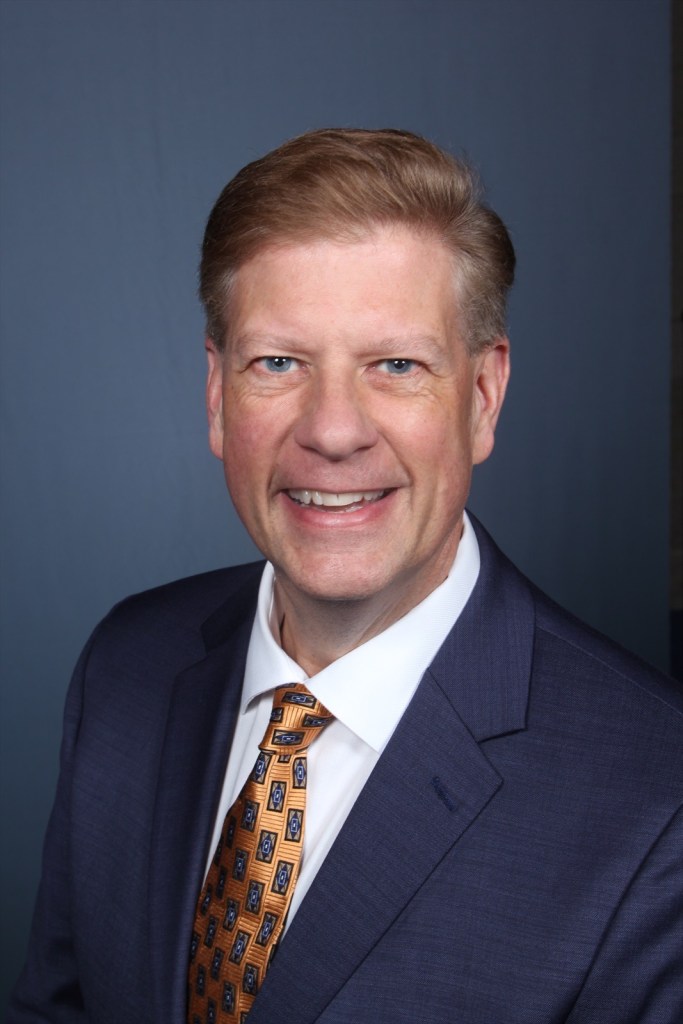
While the candidates sit on opposite sides of the aisle, they take similar stances on rising property taxes and on housing opportunities, but they differ on the government’s role.
Chandley and McGough agree the state government should share revenue from state-level levies, such as the Meals & Rooms Tax, to help offset local property taxes, which the town government raises.
“That money needs to go back where it belongs,” McGough said.
McGough noted that local municipalities set property values, which are the basis for property-tax bills. While the state can provide surplus money to taxpayers, voters need to communicate with their local officials, he said.
“The common misconception is that Concord has control over your property taxes, and Concord does not. Your locality does,” based on decisions by local officials, he said.
If elected, he plans to ensure that surplus state money returns to taxpayers by holding his fellow senators and representatives accountable.
“When we take in more money, the government doesn’t get to keep it. The government should not find a way to just spend it, and that’s what happens all too often,” McGough said.

Chandley also wants the state to help municipalities reduce the need to raise property taxes, her goal is to stabilize the relationship between the state government and towns.
“I think right now the cities and towns are often unsure what they’re going to get. They’re constantly having to lobby the state, and they’re not getting what they need,” Chandley said.
Education Freedom Accounts
Chandley cites the state’s $50 million-plus funding for Education Freedom Accounts in 2025 as an example of how the state has failed to support municipalities and public schools by pulling property taxes to fund vouchers for private and religious schools.
Chandley does not support the current EFA program, which were first proposed to help low-income families fund an option outside public school. She doesn’t believe that’s needed, and if elected, she said she will work to remove universal eligibility for that program and require demonstrated financial need before families can receive aid for it. She also wants to hold the institutions receiving the tax dollars accountable.
“The public schools take all students and are required to provide an adequate education, and I certainly would prefer that we talked about a high-quality education, but they’re required to provide an adequate education to all students,” she said.
On the other hand, while McGough believes EFAs should be held accountable as a tax-funded program, he said the percentage of students using the voucher system is small and does not affect public schools.
“For the very small one percent of students whose parents feel that using that type of education works for their student, then it seems to be one option, you know; it’s a tool in the toolkit,” he said.
While the percentage is hard to calculate, the number of students in the EFA program has increased each year, from 5,765 students in 2024 to 10,510 students in 2025 when applications became universal, and now to 13,443 eligible students, with 943 students on a waitlist because of the program’s 12,500 cap, according to the Children’s Scholarship Fund.
Housing costs
Discussions of affordability in the state often turn to housing costs and shortages. Both Chandley and McGough support enabling development rather than mandating it.
McGough cited recent bills passed to reduce regulations and support development statewide, but he said that, for development to happen, municipalities need to use these programs.
“We don’t want people to suffer from devaluation of their property or even perceived devaluation of their property due to overbuilding,” McGough said. “So there’s that element of collaboration between local and state officials, and that’s what I think we’ll continue to do and we must continue to do.”
Chandley wants to bolster the Housing Champions Designation and Grant Program, which rewards towns for updating zoning laws and building housing.
“The problem is, in the latest budget, those funds were cut. We need to make sure we’re making that investment,” she said.
The general election is Tuesday, Nov. 3.